13 May
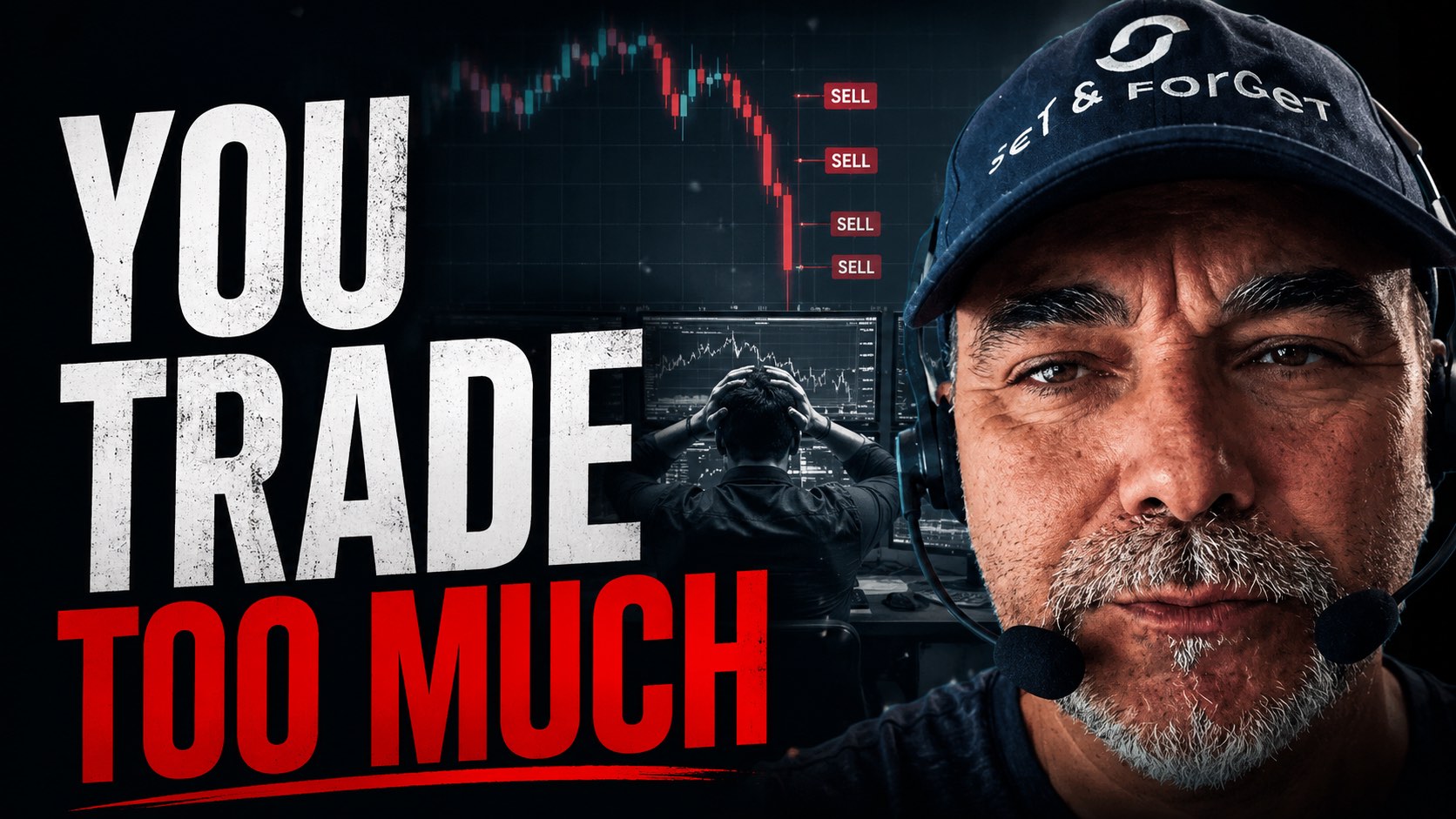
Most traders are essentially dopamine-addicted gamblers masquerading as professionals. They sit in front of their screens, eyes glazed over, chasing every flicker of a one-minute candle as if it were a divine revelation. It’s pathetic, really.
If you’re wondering why your account looks like a crime scene, the answer isn’t your strategy; it’s your lack of basic emotional hygiene. You simply trade too much.
The Noise Addiction
The average retail trader is addicted to noise. You believe that more activity in your trading equals more profit. It doesn’t. In the world of high-stakes trade management, activity is often the enemy of performance. You spend your day staring at 5-minute charts, convinced that every tiny wick is a “set-up.” It’s not a set-up; it’s a distraction designed to separate fools from their capital.
I focus on high timeframe trading—the daily, weekly, monthly, and quarterly zones. Why? Because that is where the institutional imbalances live. Everything else is just static. If you can’t look at a chart without feeling the itch to click “buy” or “sell,” you aren’t a trader; you’re a victim of your own neurochemistry.
The Ego vs. The Analytical Mind
Your trading mindset is likely split between two warring factions: your analytical brain, which knows the rules to place high probability trades, and your emotional ego, which needs to be “right” right now.
We live in a world of instant gratification. You want the Tesla, the watch, and the 400% return before lunch. But the markets don’t care about your timeline. Professional trading psychology is built on the realization that the market rewards patience and punishes urgency.
During a recent webinar, I used a simple analogy: a broken glass. Once a supply and demand zone is overshot by even a single pip, the “glass” is broken. It doesn’t matter if it looks “mostly” okay. Professionalism requires the discipline to walk away from a broken setup, yet most of you will try to glue the pieces back together and call it a trade. That isn’t trading; it’s delusion.
Why Professional Trading is Boring
If your trading is exciting, you’re doing it wrong. Professionalism is boring. It consists of waiting—sometimes for weeks—for price to hit a specific location.
Look at the recent analysis I did on Nike (NKE). Positive earnings came out, and what did the retail sheep do? They bought the “good news.” What did the stock do? It dropped 12%. Why? Because it was at a supply level. The news is just the catalyst that the big players use to get the liquidity they need to move price where they actually want it. If you aren’t trading the imbalance, you are the imbalance.
The Path to Discipline
To fix your mindset in trading, you must stop seeking emotional certainty and start seeking probability.
- Stop Scalping the Static: Move to the Daily and Weekly charts. If you can’t find a trade there, there isn’t one.
- Embrace the Wait: Patience in trading is an active skill. It is the discipline to sit on your hands while everyone else is losing money on 1-minute noise.
- Accept the “Boring”: If you want a thrill, go to a casino. If you want a business, learn to wait for the supply and demand zones that actually matter.
The market is a machine that transfers money from the impatient to the patient. Which side of that transaction do you want to be on?
Decide now, or keep donating your account to those of us who have the grace to wait.

Tesla Optimus Robot: The Doom of Humanity or Your Next Big Win?
September 18, 2026


Why You’re Trading the Wrong Timeframe (And Why You’re Still Broke)
September 7, 2026
Ethereum Classic Price Prediction 2026: Is ETC Ready to Rally?
August 21, 2026