Understand Why Price Moves
Start with buyers, sellers and imbalances, not another indicator.
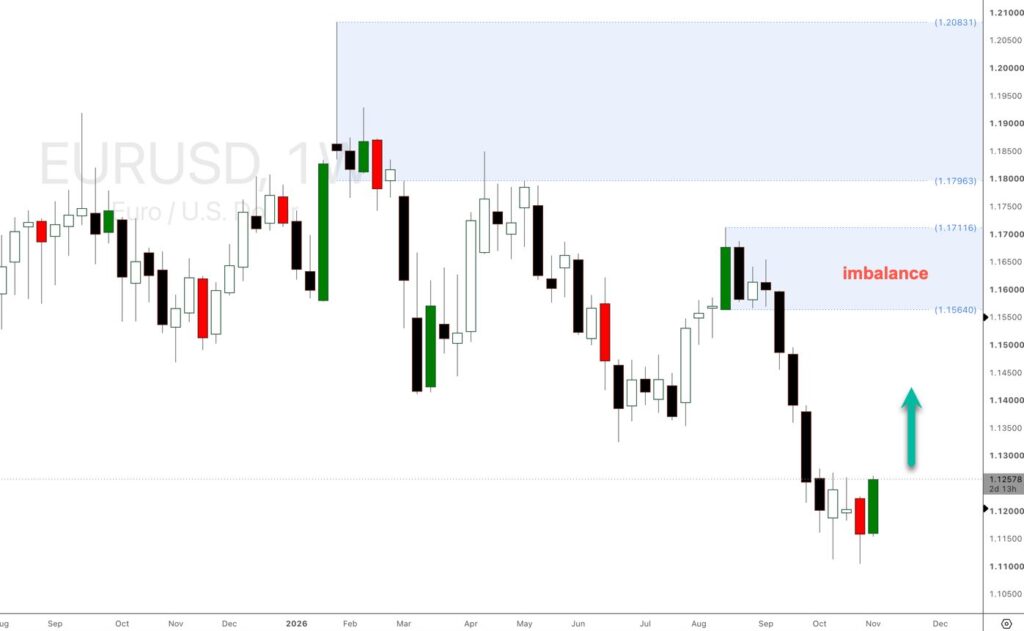
Price moves when buying and selling pressure cannot meet at the same price. My course builds your analysis around the resulting imbalances, so you can understand the logic behind a chart instead of memorising signals you cannot explain.
Anticipate the Pullback
Identify areas where price may react before it gets there.
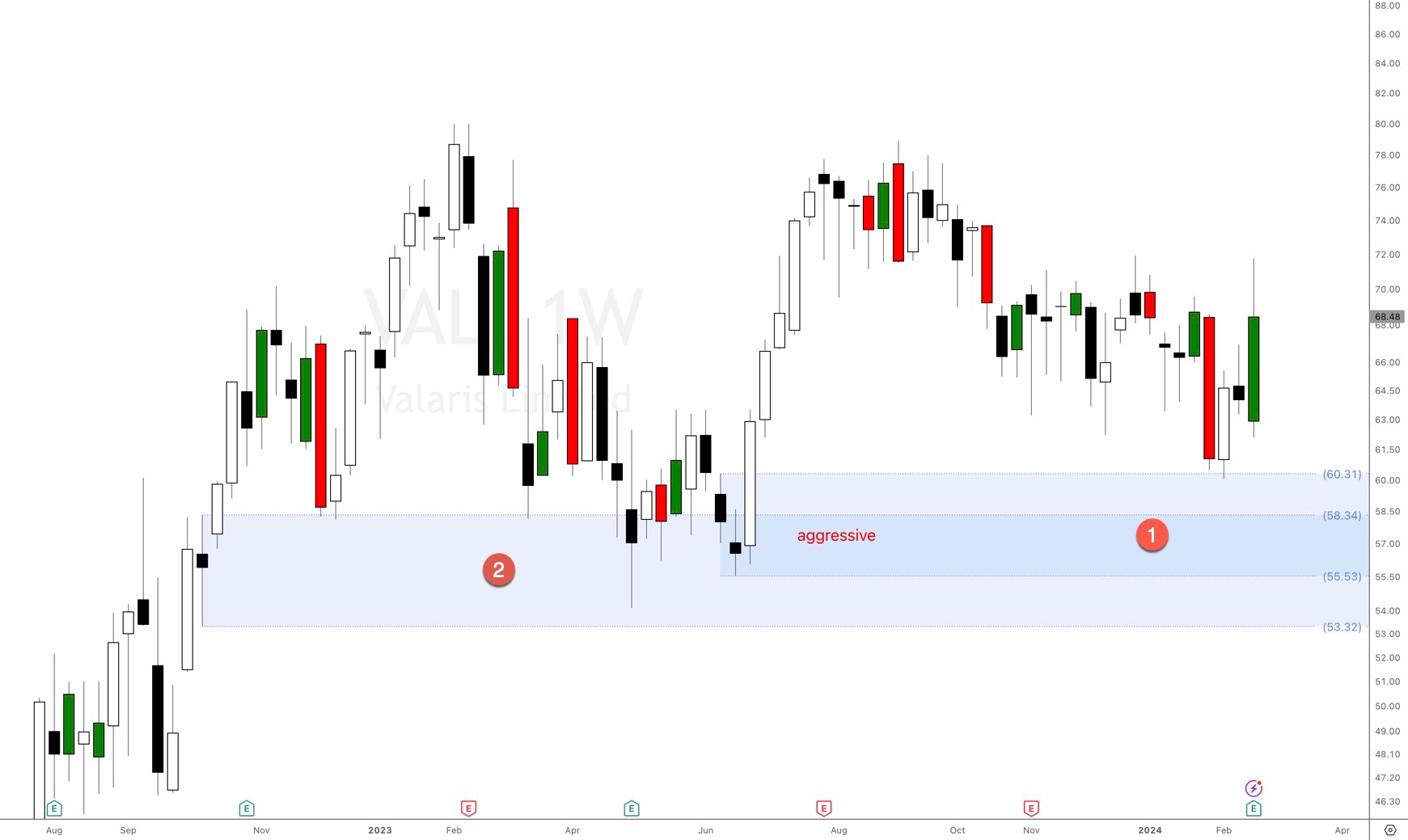
I teach you how to locate supply and demand zones, then assess whether a pullback into one of them offers a worthwhile opportunity. The idea is to plan before price arrives, not invent an explanation after it moves.
See the Bigger Picture
Use multiple timeframes to make sense of one trade.
An attractive entry on a 15-minute chart can sit directly beneath weekly supply. That matters. I teach you to read price structure from higher to lower timeframes, establish directional bias and put a potential entry into context.
Less Stress, More Structure
Trade by a process instead of reacting to every tick.
You do not have to scalp to be a trader, and intraday trading is not the enemy. Unplanned decisions are. I help you choose a timeframe that fits your temperament, set expectations before entry and reduce the temptation to micromanage every fluctuation.
One Framework, Different Markets
Apply the same analytical language across assets and timeframes.
Supply and demand zones and price structure can be studied in stocks, Forex, indices, commodities and cryptocurrencies. You still need to respect each market’s liquidity, volatility, trading hours and instrument-specific risks. The framework travels; the details matter.
Trade Without Living at Your Desk
Build a trading routine around your life, not the other way around.
Trading is supposed to serve a purpose outside trading. With planned levels, alerts and a suitable timeframe, you can organise your analysis around defined moments rather than watching every candle form. There is still work to do; it simply does not all require screen time.