01 Apr
If you want to learn to trade stocks consistently in 2026, you need to stop reacting to price and start understanding where price is likely to react. Most retail traders focus on short-term candles, indicators, and news, but none of these actually explain why price moves. The reality is much simpler and far more powerful: price moves because of imbalances between supply and demand, and the stronger the imbalance, the stronger the move.
This is why higher timeframe analysis, especially monthly demand levels, becomes critical for swing trading stocks and even options trading. These levels represent areas where institutions have previously accumulated positions, and more importantly, where they are likely to do so again.
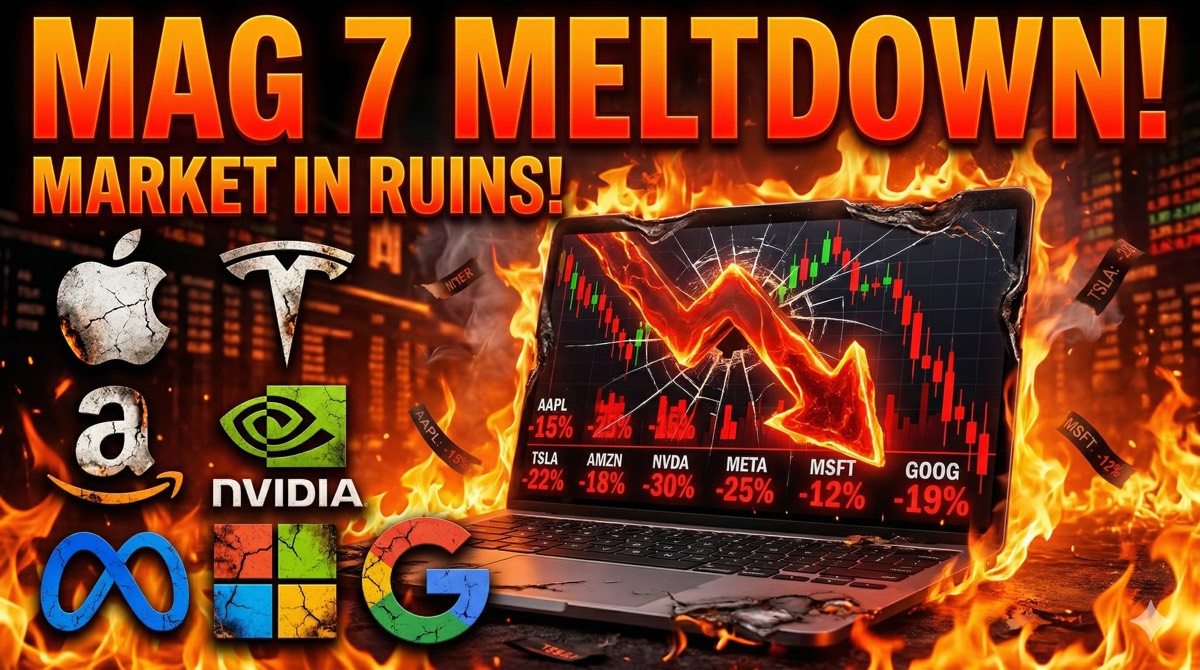
When analyzing the Magnificent 7 stocks—Apple, Amazon, Google, Meta, Microsoft, Nvidia, and Tesla—alongside the S&P500 through SPY, a very clear picture emerges. The market is not random. It is structured, and that structure is driven by institutional activity.
The S&P500, through SPY, is currently approaching a significant monthly demand zone between 567 and 481 dollars. This alone should completely change how you view the market. If the index itself is moving into demand, then aggressively shorting stocks becomes a low-probability decision. This is where most traders fail, selling into areas where institutions are preparing to buy.
Apple shows a similar structure, with monthly demand between 207 and 178 dollars. While many traders panic during pullbacks, institutional traders are not reacting emotionally. They are waiting for price to return to these levels to position themselves again. This contrast between reaction and planning is one of the biggest differences between losing and profitable traders.
Amazon presents a wide demand zone between 195 and 151 dollars, indicating strong prior accumulation. Google’s demand between 181 and 140 dollars highlights where price previously exploded from, reinforcing the importance of these zones as areas of interest. Meta, with demand between 570 and 479 dollars, is already showing signs of reaction, further confirming how these levels influence price behavior.
Microsoft’s demand between 395 and 344 dollars is particularly important, as price is already reacting strongly within that range. Nvidia, one of the most popular stocks in recent years, has its real institutional demand much lower, between 115 and 86 dollars. This is where positioning happened, not at the highs where most traders feel comfortable buying.
Tesla, known for its volatility, still respects structure, with a broad demand zone between 273 and 134 dollars. This highlights an important concept: no matter how volatile an asset is, supply and demand imbalances continue to govern price action.
The key takeaway is simple but often ignored. Trading is not about predicting what price will do next. It is about understanding where price is likely to react based on previous institutional activity. Indicators, news, and earnings reports often add noise and complexity, while price action and supply and demand provide clarity.
If you want to improve your stock trading strategies, whether you are focused on swing trading or options trading, you need to shift your perspective. Stop chasing price at highs and start planning around high-probability zones. Location is everything in trading, and those who understand it operate with a completely different level of confidence and consistency.
Most traders will continue reacting. A small percentage will learn to plan.
And that difference changes everything.

Tesla Optimus Robot: The Doom of Humanity or Your Next Big Win?
September 18, 2026


Why You’re Trading the Wrong Timeframe (And Why You’re Still Broke)
September 7, 2026
Ethereum Classic Price Prediction 2026: Is ETC Ready to Rally?
August 21, 2026